National Program · NHFB Epidemiology & Research · Bangladesh
Bangladesh Hypertension Control InitiativeBHCI
A national partnership to strengthen hypertension management at primary care — scaling evidence-based protocols, team-based care, and digital health systems across Bangladesh to reduce cardiovascular disease burden.
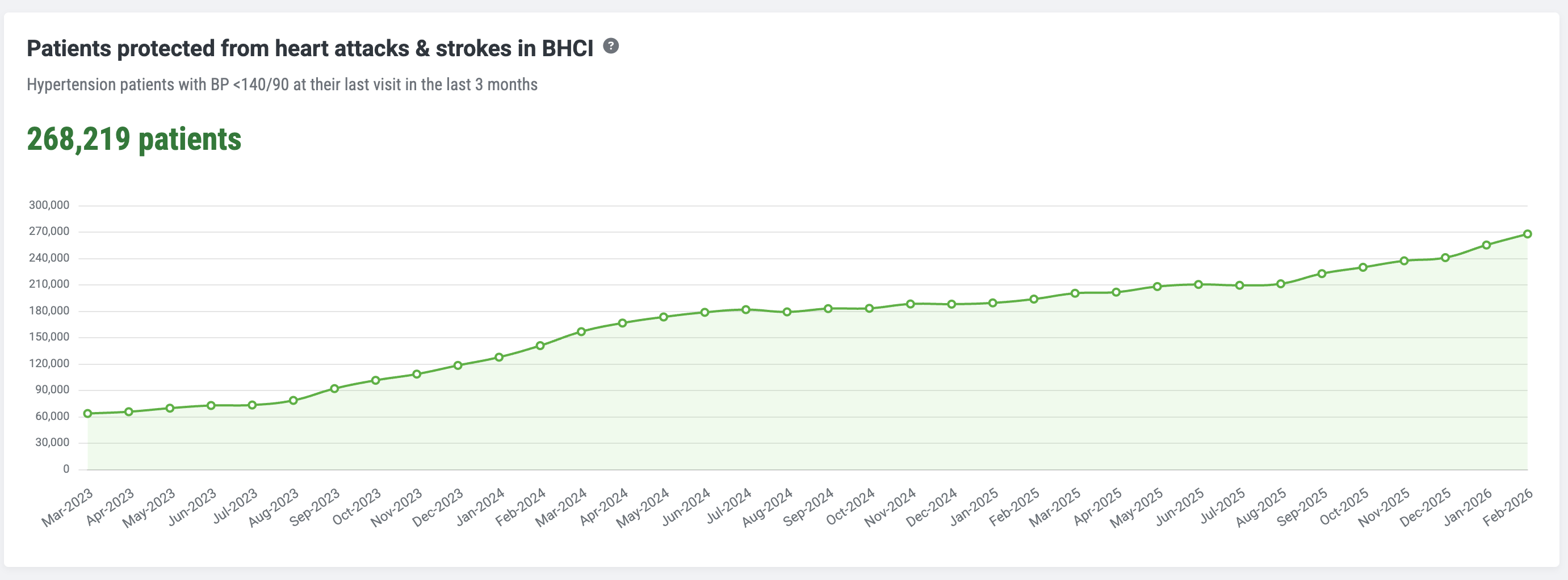
of registered patients under care have their blood pressure controlled during the most recent visit. ( March 2026 )
Demonstrating the effectiveness of the WHO HEARTS-based approach at primary care level.
Program Overview
Tackling the Silent Killer at the Primary Level
High blood pressure is a major risk factor for cardiovascular disease. 24.6% of adults aged 18+ in Bangladesh have hypertension — yet only about 14% of these patients have their blood pressure under control.
A multisectoral action plan adopted by the Government of Bangladesh aims to reduce the prevalence of raised blood pressure by 25% by 2025 following WHO global targets. NHFB has been working with NCDC, DGHS, and Resolve to Save Lives (RTSl) since 2018 to implement a scalable model of hypertension control at Upazila Health Complexes and Community Clinics.
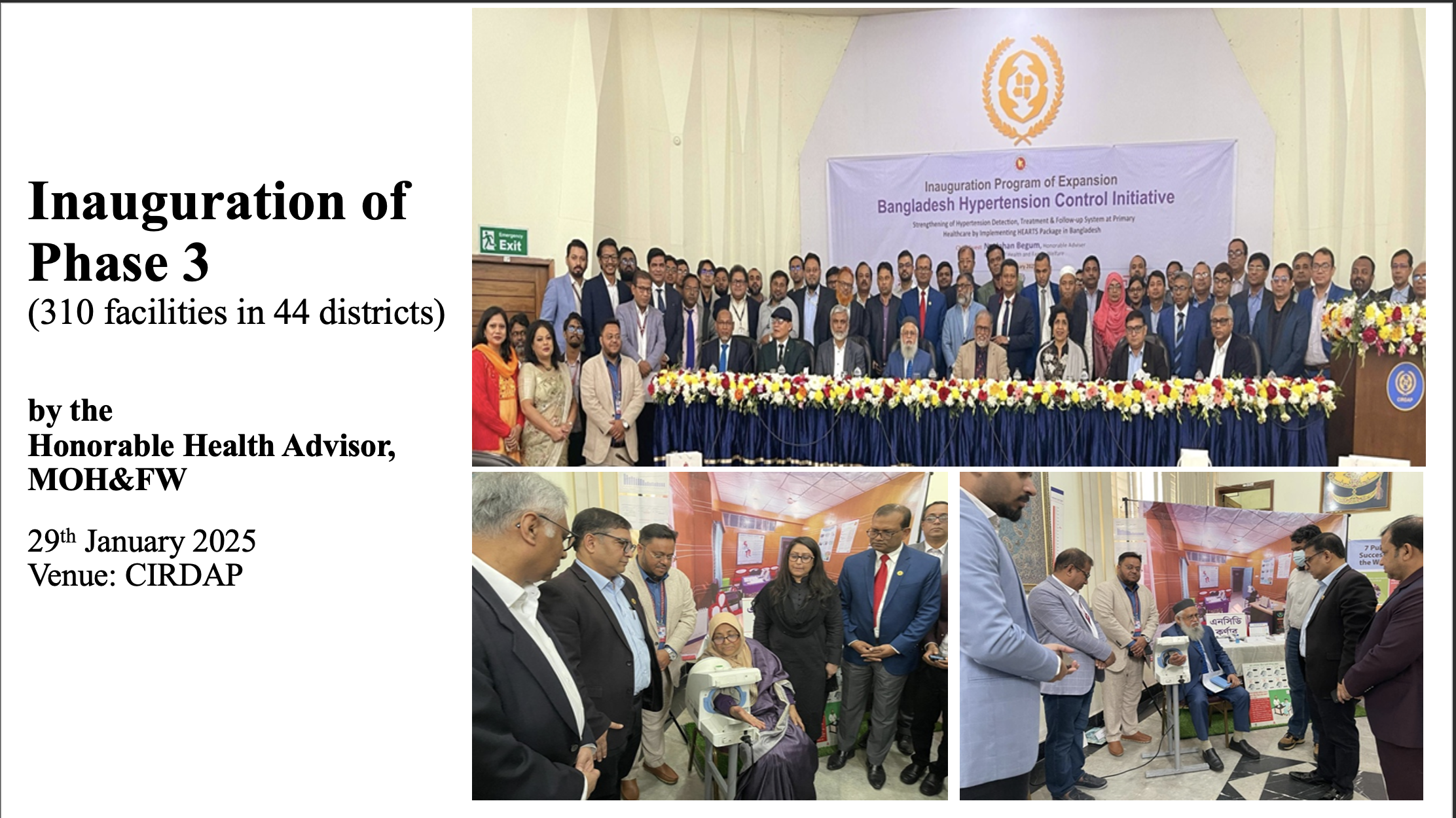
After a successful pilot in Sylhet in 2018, the program scaled to 54 facilities in 6 districts in 2021, expanded to 182 facilities in 23 districts in 2022, and by January 2025 reached 310 facilities in 44 districts across Bangladesh.
“Implementation of a model for hypertension control at primary health care level is an important agenda of the Non-Communicable Disease Control Program (NCDC), Directorate General of Health Services (DGHS).”
Coverage at a Glance
📍
47 Districts
Across 8 divisions (March 2026)
🏥
328 Facilities
Primary-care facilities enrolled
👥
74.2 Million Adults
Adult (18+) population coverage
📈
4 Successful Scale-ups
Pilot → Phase 1 → Phase 2 → National
📅
Since 2018
Partnership since pilot launch in Sylhet
💊
58% BP Control
Registered patients — March 2026
Program Objectives
1Strengthen hypertension management at primary health care level
2Achieve 25% reduction in raised BP prevalence by 2025
3Scale evidence-based WHO HEARTS protocols to all districts
4Build sustainable NCD health worker capacity
5Ensure uninterrupted antihypertensive medicine supply
Scale-up Journey
From Pilot to National Program
A 7-year journey of evidence-based scale-up across Bangladesh.
1
2018
Pilot Launch
4 Upazilas of Sylhet — Beanibazer, Bishwanath, Golapganj, Fenchuganj
2
2021
Phase 1 Expansion
54 facilities across 6 districts
3
2022
Phase 2 Scale-up
182 facilities across 23 districts
4
Jan 2025
National Scale
310 facilities across 44 districts of Bangladesh
Current Status — March 2026
328
Facilities (UHCs)
47
Districts
58%
BP Controlled
World Health OrganizationHEARTS Technical Package
Evidence-Based Framework
HEARTS Framework Implementation in Bangladesh
Each letter of H·E·A·R·T·S is a core component of the WHO hypertension control package. Below is how BHCI delivers each one at Upazila Health Complexes across Bangladesh.
Information on four behavioural risk factors for CVD is provided. Brief interventions are described as an approach to counselling on risk factors and encouraging healthy lifestyles.
Bangladesh Implementation
BHCI develops Information, Education & Communication (IEC) materials with effective health messages. Medical Officers (MOs) and Senior Staff Nurses (SSNs) spend dedicated time counselling patients on lifestyle change at every visit.
E
Component 02 · HEARTS
Evidence-based treatment protocols
WHO Recommendation
A collection of protocols standardising the clinical approach to managing hypertension and diabetes.
Bangladesh Implementation
BHCI co-developed the national hypertension treatment protocol adopted by NCDC/DGHS. Upazila Health Complex and facility staff are sensitised to follow it through training, Quality Improvement (QI) cycles, and advocacy meetings.
A
Component 03 · HEARTS
Access to essential medicines and technology
WHO Recommendation
Information on CVD medicine and technology procurement, quantification, distribution, and facility-level handling of supplies.
Bangladesh Implementation
Inter-division, inter-district, and inter-facility medicine transfer mechanism established. Facilities procure NCD medicines using the Medical & Surgical Requisite (MSR) fund, with systematic refilling at Community Clinics to sustain patient access.
R
Component 04 · HEARTS
Risk-based CVD management
WHO Recommendation
Guidance on a total-risk approach to the assessment and management of CVD, including country-specific risk charts.
Bangladesh Implementation
Prevention of stroke and heart attack through proper blood-pressure screening and diagnosis. Every enrolled patient receives a structured risk assessment and targeted follow-up.
T
Component 05 · HEARTS
Team-based care
WHO Recommendation
Guidance and examples on team-based care and task-shifting for CVD management, plus training materials.
Bangladesh Implementation
NCD corner roster established at every Upazila Health Complex with two dedicated nurses and one NCD doctor. Community Clinic refilling staff handle routine medicine supply so clinicians focus on clinical decisions.
S
Component 06 · HEARTS
Systems for monitoring
WHO Recommendation
Information on how to monitor and report on CVD prevention and management, including standardised indicators and data-collection tools.
Bangladesh Implementation
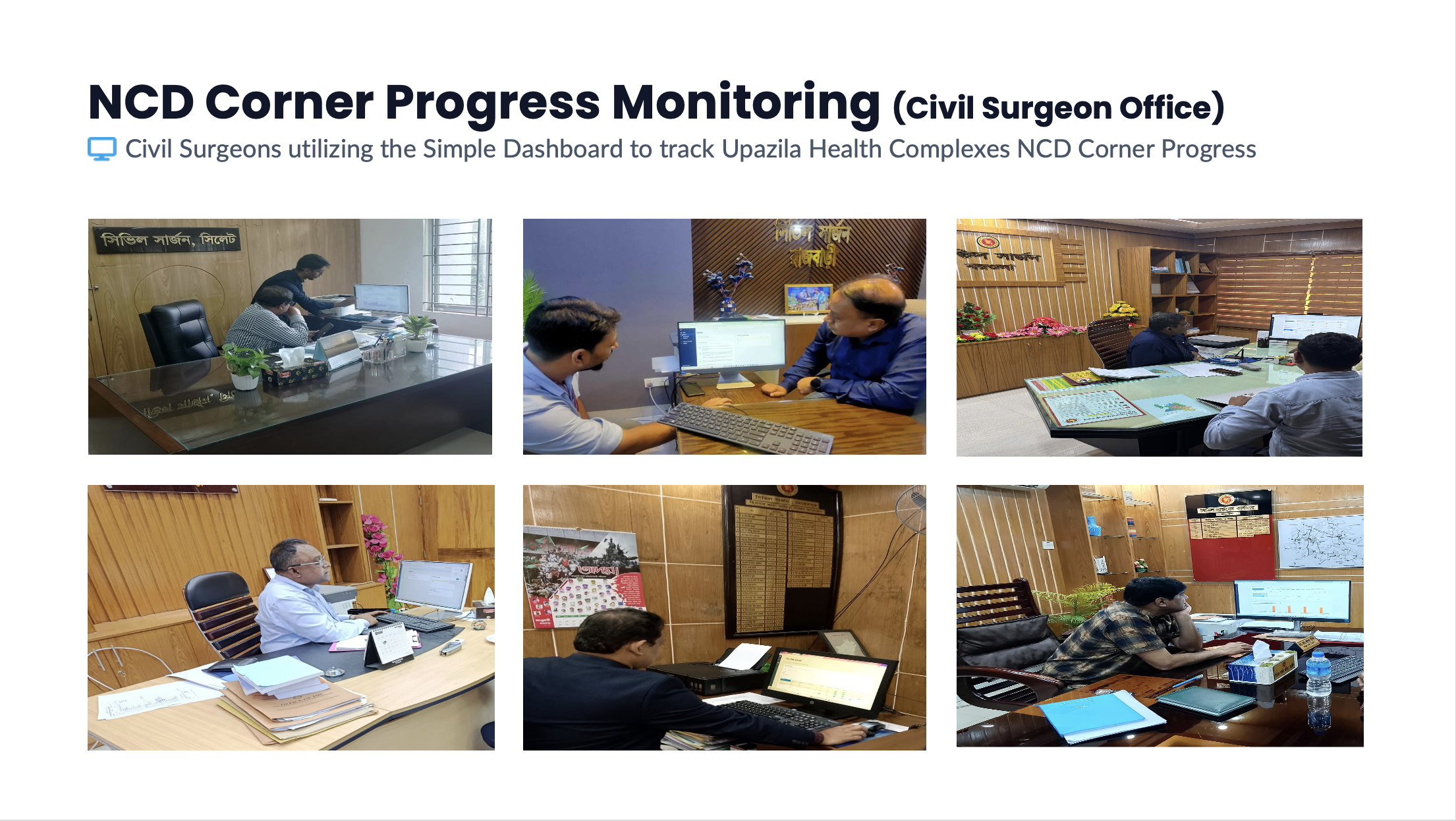
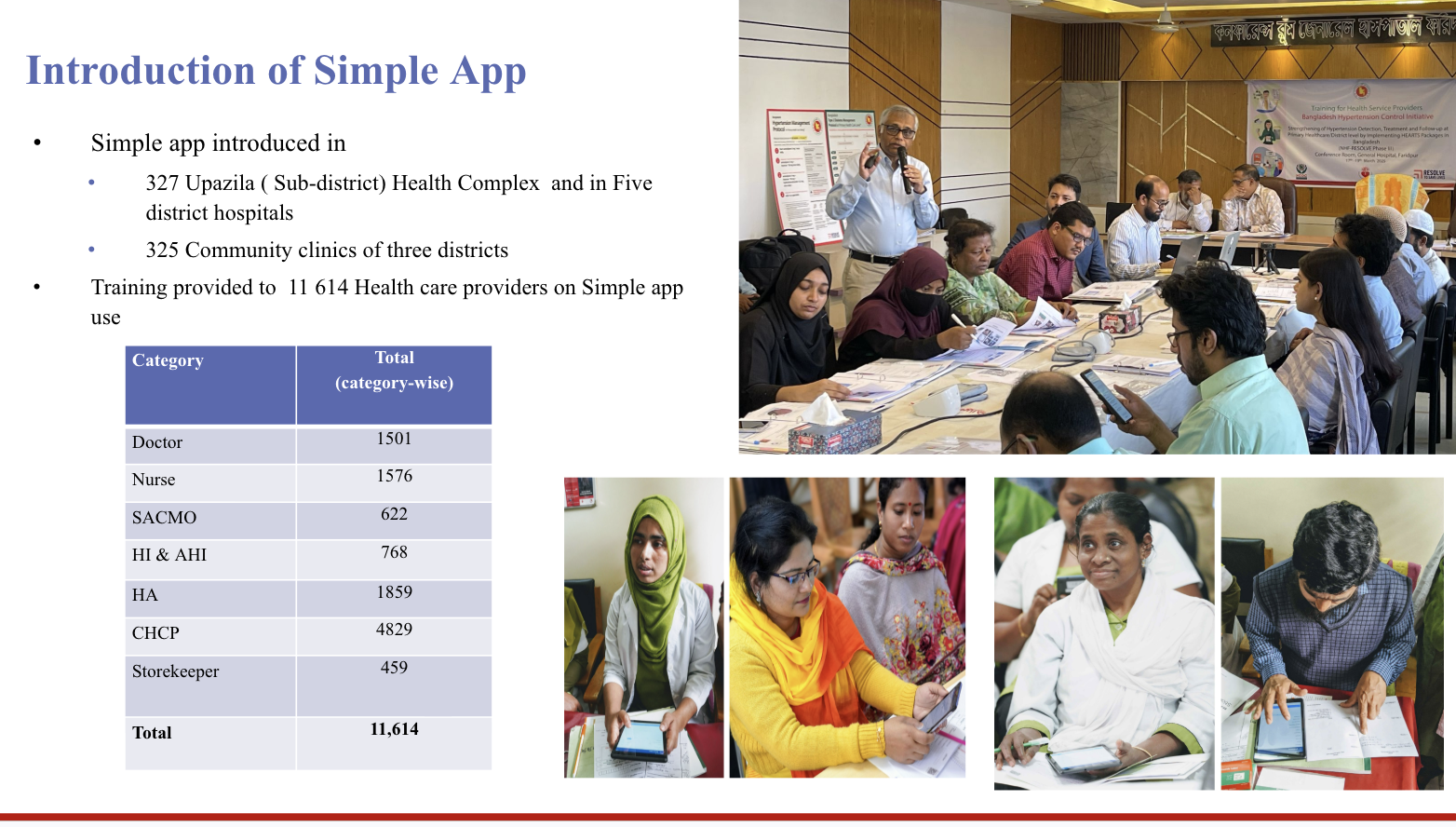
NCD staff trained on the Simple App; Civil Surgeons use the Simple Dashboard to track district performance; Upazila Health & Family Planning Officers (UH&FPOs) use the Simple App for facility-level review.
58%
BP Controlled
Outcome · March 2026
of registered patients under care have their blood pressure controlled during the most recent visit.
~14%
National Average
58%
BHCI Enrolled
BHCI Framework
Key Intervention Strategies
Based on WHO HEARTS, BHCI implements five core intervention strategies at enrolled primary-care facilities across Bangladesh.
01
Protocols
Standardized, evidence-based treatment protocols aligned with the WHO HEARTS technical package. Step-by-step clinical guidelines for hypertension diagnosis, treatment initiation, and follow-up at the Upazila Health Complex and Community Clinic level.
02
Team Based Care & Task Sharing
Multi-disciplinary health teams with optimized task distribution — community health workers, nurses, and physicians collaborating for efficient patient management, improved reach, and sustainable coverage at the primary care level.
03
Medication Supply
Ensuring an uninterrupted supply of essential antihypertensive medicines at all enrolled facilities. Systematic procurement, forecasting, and distribution mechanisms eliminate stock-outs and support long-term treatment adherence.
04
Patient Centered Care
Patient education, counselling, and support for lifestyle modifications. Regular follow-up systems, appointment reminders, and adherence coaching to achieve sustained blood pressure control and prevent cardiovascular complications.
05
Information Systems
Digital health management through the HEAL-BD platform for real-time patient tracking, clinical outcome monitoring, and program performance dashboards — enabling data-informed decisions at facility, district, and national levels.
47 Districts
328 UHCs
74.2M Adults
18.2M hypertensive patients (estimated)
Geographic Footprint
Reaching Every Corner of Bangladesh
BHCI has scaled from a 4-Upazila pilot in Sylhet (2018) to covering 47 districts and 328 facilities across all 8 divisions of Bangladesh by March 2026.
9
Dhaka
Districts
9
Chattogram
Districts
6
Barishal
Districts
1
Rangpur
District
6
Khulna
Districts
4
Sylhet
Pilot · 2018
8
Rajshahi
Districts
4
Mymensingh
Districts
Evidence Base
Key Facts About Hypertension in Bangladesh
🫀
24.6%
Hypertension prevalence among adults aged 18+ in Bangladesh
Source: BCPS National Survey 2022
💊
~14%
Of hypertensive patients currently have their blood pressure under control nationally
BHCI operates under the National Non-Communicable Disease (NCD) Action Plan of the Government of Bangladesh. Coordination is led by NCDC within DGHS, with NHFB providing technical expertise and Resolve to Save Lives providing global program support and quality improvement.
Digital Health Innovation
Digital Health at the Heart of BHCI
BHCI uses the Simple App — an open-source digital health platform by Resolve to Save Lives — for real-time patient tracking, BP monitoring, and program performance management across 47 districts of Bangladesh.
Simple
Open Source
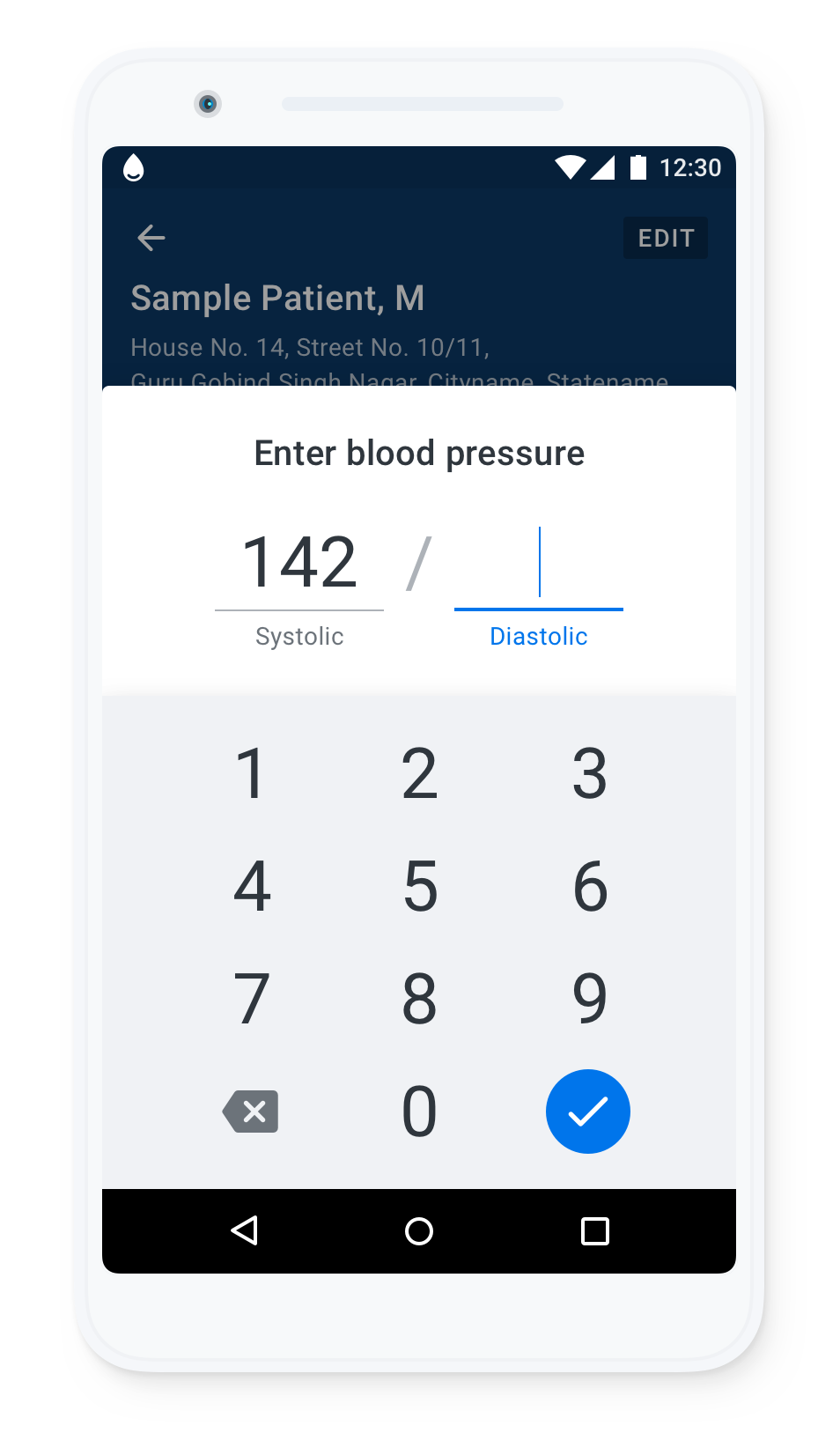
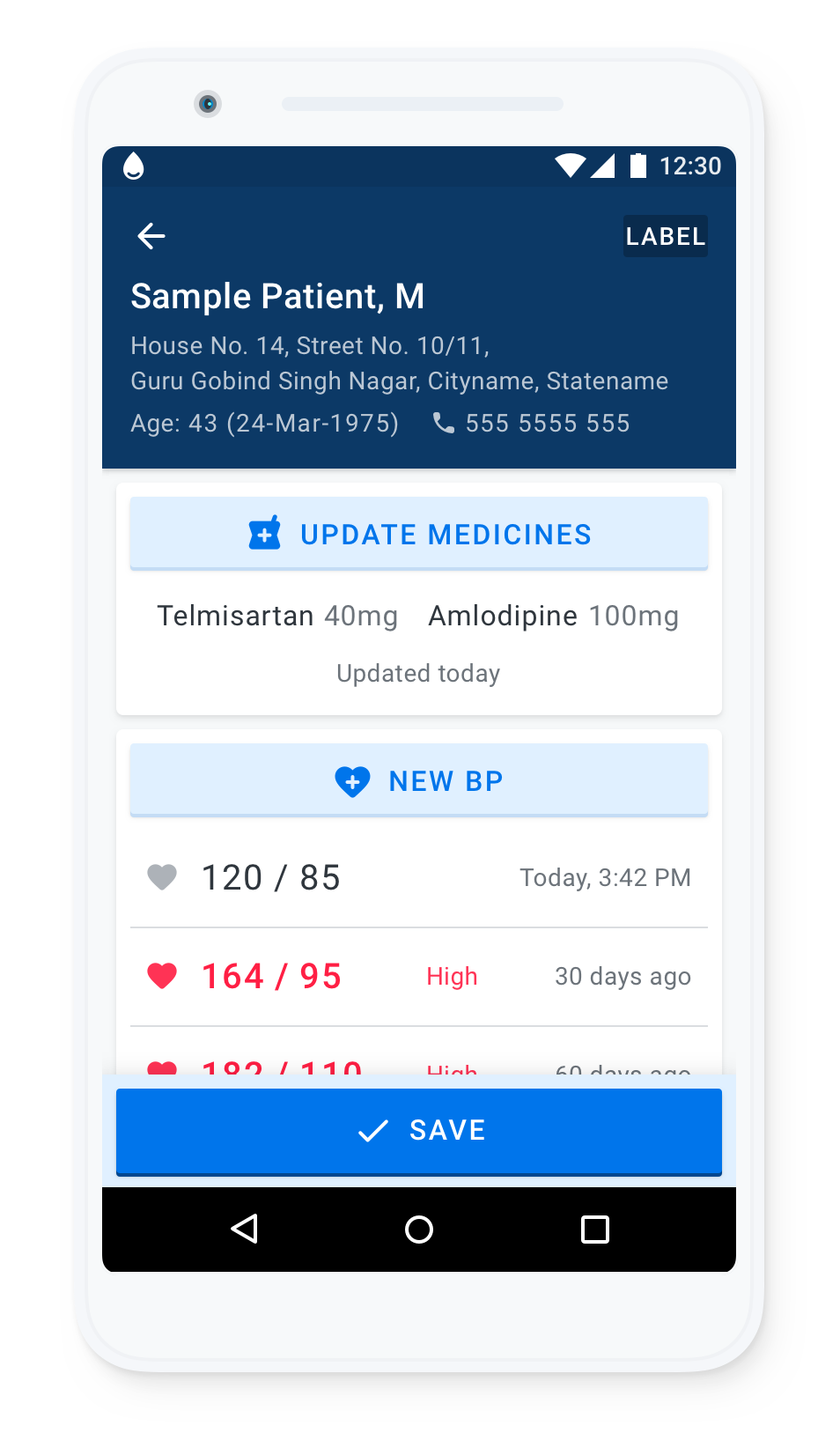
Simple makes it easy for frontline health workers to record, track, and follow up hypertension and diabetes patients. A blood-pressure reading is logged in under 10 seconds, overdue patients surface automatically every morning, and Community Clinic refilling data flows straight into the Civil Surgeon's dashboard — so clinicians spend more time with patients and less on paperwork.
A free, open-source digital-health platform designed for low-resource settings. Used daily across Bangladesh by Medical Officers, Senior Staff Nurses, Upazila Health & Family Planning Officers (UH&FPOs), and Civil Surgeons.
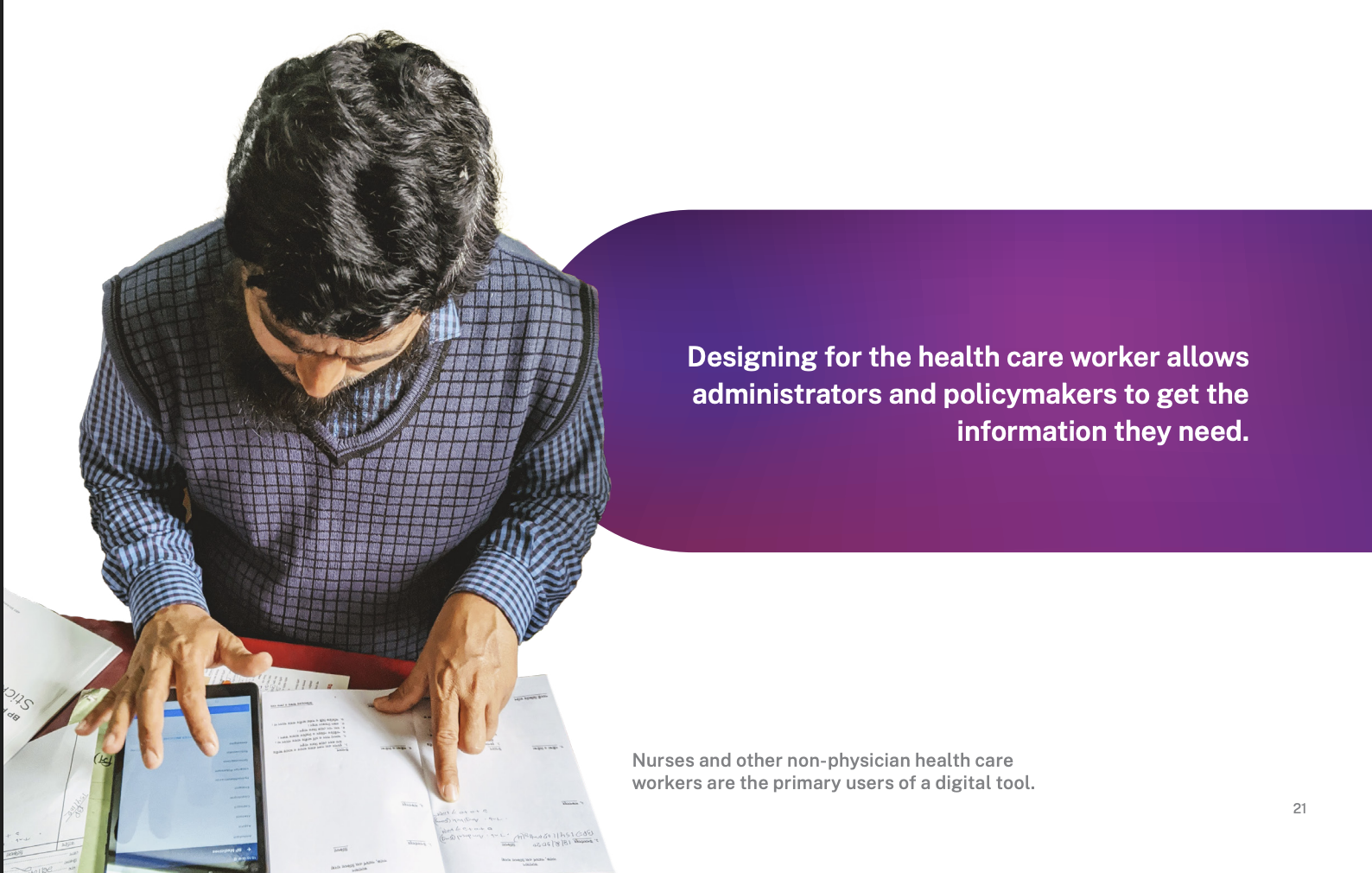
“Designing for the health care worker allows administrators and policymakers to get the information they need.”
Nurses and non-physician health workers are the primary users of the digital tool.
Design Principle
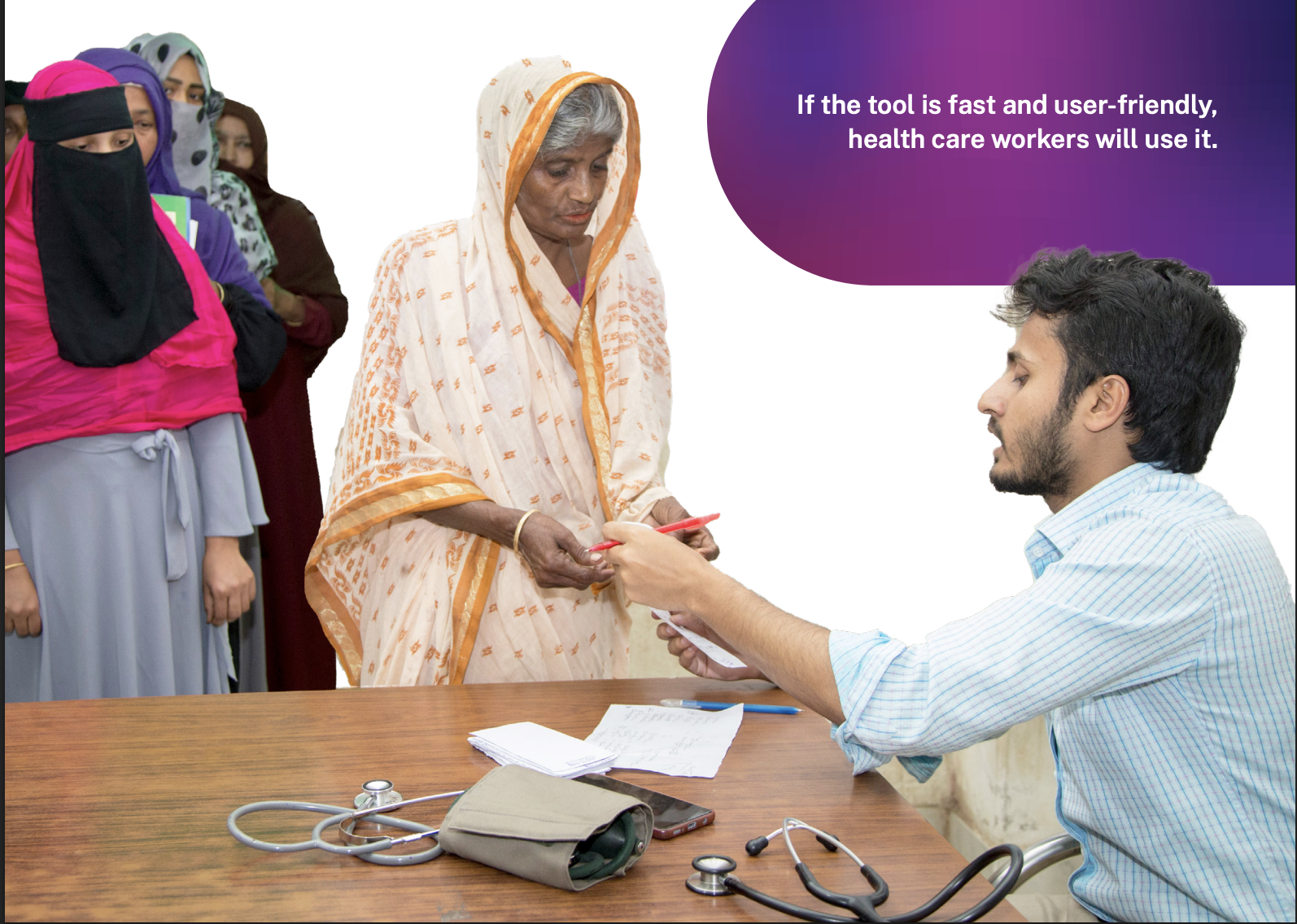
“If the tool is fast and user-friendly, health care workers will use it.”
Simple was built around a 10-second BP visit — optimised for busy NCD corners.
Features Used in Bangladesh
Patient Registration
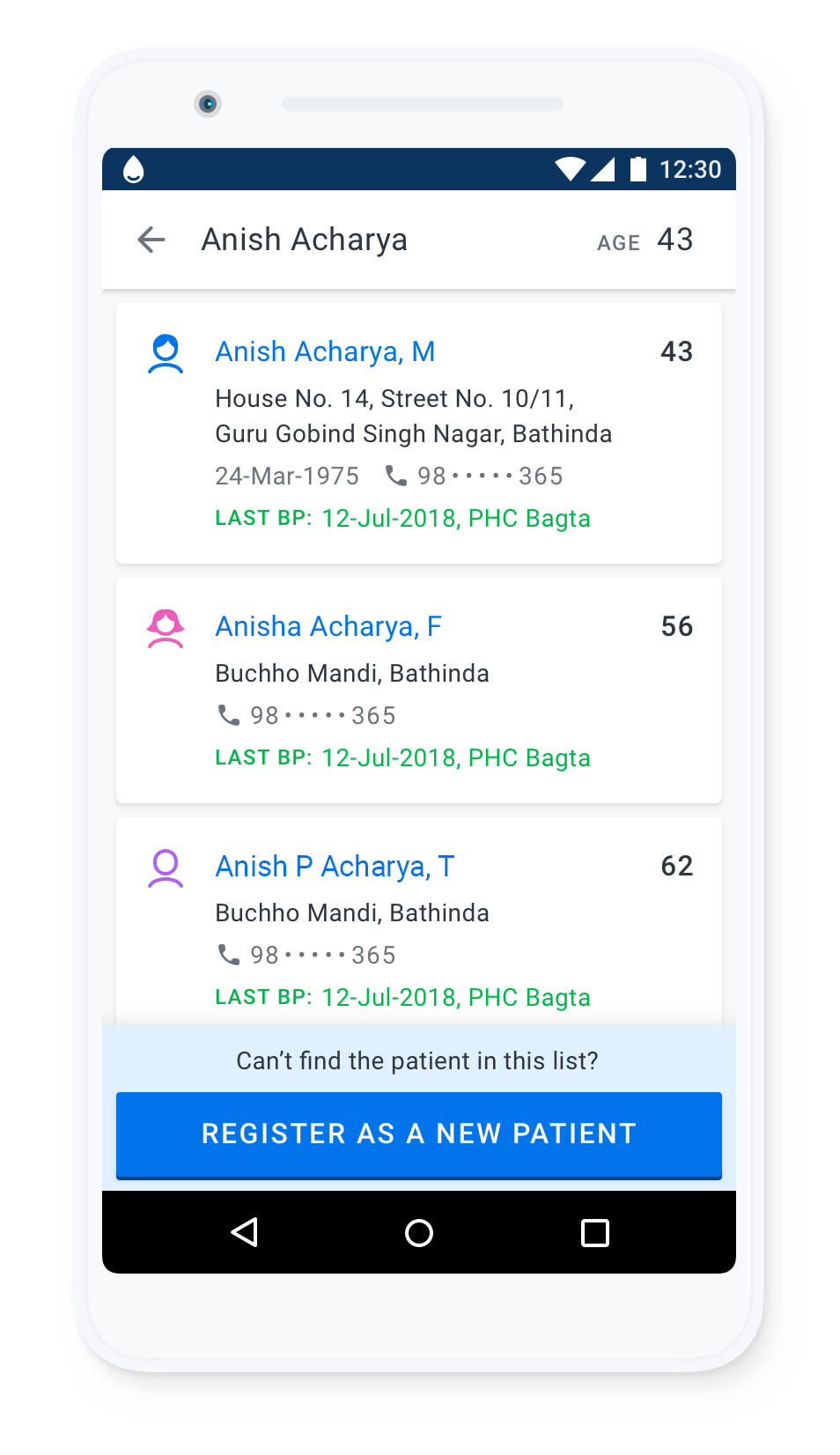
Quick digital registration of hypertension and diabetes patients at UHCs. Unique patient IDs enable tracking across visits and facilities.
BP & Blood Sugar Recording
Real-time recording of blood pressure and blood glucose readings at every patient visit. Automatic flagging of high-risk readings for immediate clinical action.
Follow-up Scheduling
Automated appointment scheduling and overdue patient lists. Health workers receive daily lists of patients due for follow-up, reducing loss to follow-up.
Civil Surgeon Dashboard
District-level Civil Surgeons use the Simple Dashboard to monitor facility performance, BP control rates, and patient outcomes across all enrolled UHCs.
Medication Tracking
Recording of prescribed antihypertensive medicines at each visit. Supports medicine supply forecasting and ensures patients receive consistent treatment.
UH&FPO Monitoring
Upazila Health & Family Planning Officers use Simple App to monitor NCD corner performance, staff compliance, and patient outcomes at their facilities.
Simple in the Field
Patient Engagement
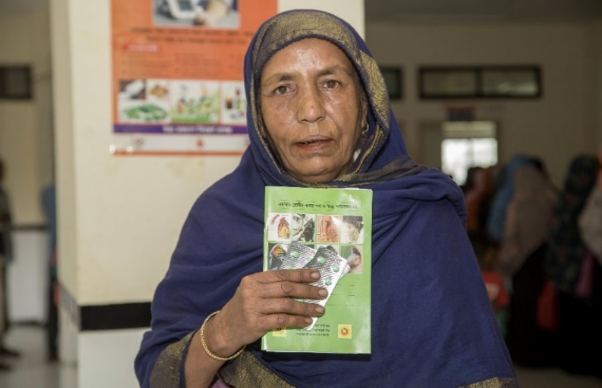
Patient-held NCD follow-up card
Enrolled hypertension and diabetes patients carry treatment cards linked to their Simple app record — ensuring continuity of care across every follow-up visit.
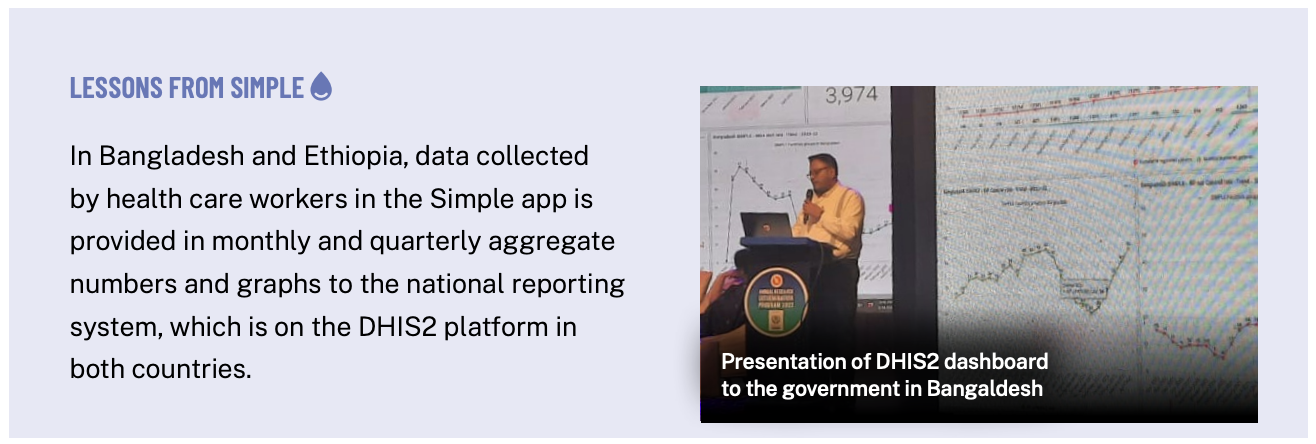
National Reporting
DHIS2 dashboard presentation
Data collected at facility level in the Simple app is pushed quarterly — in aggregated numbers and graphs — into the Bangladesh DHIS2 national reporting platform.
Simple in Action
Simple app on tablet at an NCD corner
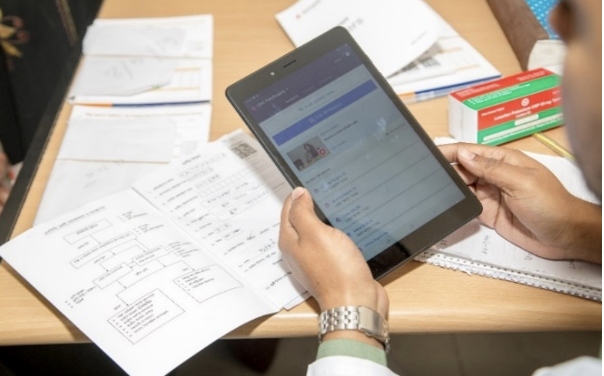
Health workers at Upazila NCD corners use the Simple app on tablets to register patients, log BP readings, and plan follow-ups in a single visit.
Program Milestones
HEAL-BD Platform
Bangladesh's national digital health platform for NCD management. Integrates Simple App data with national health information systems for program-level reporting and policy decisions.
Resolve to Save Lives
Global technical partner providing the Simple App platform, quality improvement support, and digital health expertise for BHCI across Bangladesh.
Administrators and policymakers need accurate information. But nurses and other non-physician health care workers are the primary users of a digital tool. If the tool is fast and user-friendly, they will use it.
Case Study
Simple — a free, open-source EHR for BP & diabetes
The evidence and recommendations in the WHO HEARTS playbook are based primarily on experiences developing and implementing Simple — a user-friendly mobile app built for hypertension and diabetes management across busy primary care settings in low- and middle-income countries. The India Hypertension Control Initiative launched Simple in October 2018; it expanded to Bangladesh, Ethiopia and Sri Lanka and — as of January 2026 — the app has been used by 5,387 public-health facilities to manage 4,432,692 patients with hypertension and diabetes.
5,387
Facilities (global)
4.4M+
Patients managed
4
Countries
📱
Fast Patient Registration
Scan a BP passport to find patients instantly without long typing.
❤️
Clear BP Recording
Intuitive interface for logging blood pressure and blood sugar seamlessly.
📅
Automated Overdue Lists
Easily track and contact patients who missed their appointments.
“Designing for the health care worker allows administrators and policymakers to get the information they need.”
Nurses and other non-physician health care workers are the primary users of the Simple digital tool in Bangladesh.
55%
BP Controlled
Dec 2024
Leadership Voices
Voices Behind the Program
Perspectives from the clinical and global-health leaders driving BHCI.
“
RC
“BHCI shows what is possible when primary-care teams are given evidence-based protocols, the medicines they need, and a simple digital tool they actually want to use. The 58% BP-control rate in our enrolled facilities is the result of that combination.”
Prof. Sohel Reza Choudhury
Head, Department of Epidemiology & Research · NHFB
“
TF
“Bangladesh is demonstrating that hypertension control at scale is achievable in low- and middle-income settings. BHCI is one of the global reference programs for national hypertension-control initiatives.”
Dr. Tom Frieden
President & CEO · Resolve to Save Lives
Recognition & Impact
Bangladesh on the Global Map
WHO Global Report
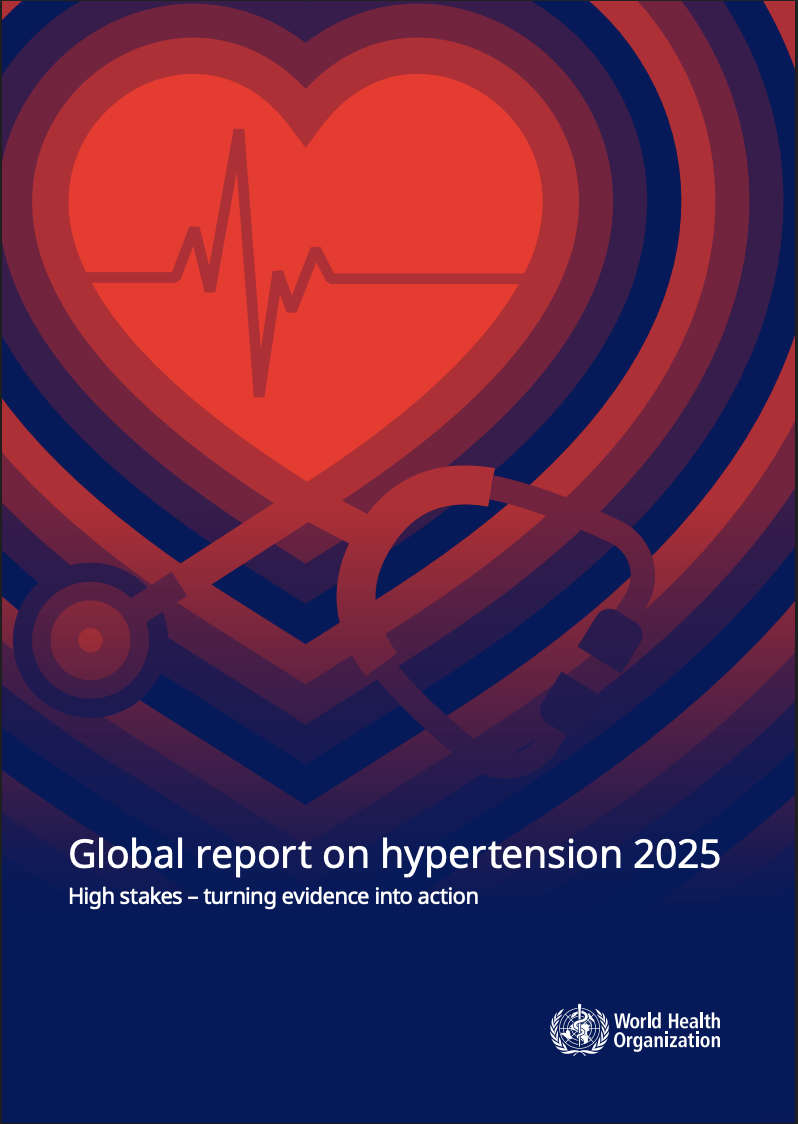
Global Report on Hypertension 2025
High stakes: turning evidence into action — the second WHO Global Report on Hypertension (23 September 2025) highlights the urgent need to scale up detection, treatment, and control at the primary-health-care level. Bangladesh's primary-care model is featured among the national hypertension programs the report tracks, and our BP-control rate at enrolled facilities substantially exceeds the global average.
How hypertension control is changing daily life at Upazila Health Complexes, Community Clinics, and NCD corners.
“Since joining the NCD corner I take my medicine every month and my blood pressure is much better. The nurse knows me by name now.”
Rina Begum
Hypertension patient · Bishwanath UHC
“The Simple App lets me finish a follow-up visit in a few minutes. I spend the rest of the time counselling patients on diet and salt.”
Jesmin Akter
Senior Staff Nurse · Golapganj UHC
“Community Clinic refilling means patients no longer travel to the upazila for a simple medicine pickup. Loss to follow-up has dropped sharply.”
Dr. Mahfuz Alam
Medical Officer · Fenchuganj UHC
Get Involved
Partner with BHCI to Scale Hypertension Control
NHFB Department of Epidemiology & Research is committed to expanding evidence-based hypertension management across Bangladesh. For technical collaboration, data sharing, or capacity building: