01
Questionnaire
>300 variables
Detailed interviews covering demographics, socioeconomic status, behavioural risk factors, medical history, and environmental exposures for every enrolled participant.
A prospective cohort of nearly 60,000 residents in Mirpur, Dhaka, investigating how environmental, behavioural and biological factors shape non-communicable diseases — a collaboration between NHFH&RI and the University of Cambridge.
Initiated in 2016 to address the growing burden of non-communicable diseases, BELIEVE-Urban is one of the largest prospective cohorts ever assembled in Bangladesh.
The BELIEVE Urban Study is a large population-based prospective cohort conducted in Mirpur, Dhaka, as part of the broader Bangladesh Longitudinal Investigation of Emerging Vascular and Non-vascular Events. It was initiated in 2016 to establish a high-quality epidemiological platform for long-term research on cardiovascular and metabolic disorders.
The cohort includes 59,844 participants recruited from 31,713 households within the Mirpur urban catchment area. The study is implemented by the Department of Epidemiology and Research at the National Heart Foundation Hospital & Research Institute (NHFH&RI) in collaboration with the University of Cambridge, and is locally led by Professor Sohel Reza Choudhury.
The primary objective is to examine the determinants and progression of major non-communicable diseases — particularly cardiovascular disease, diabetes, hypertension and other metabolic disorders. The study integrates demographic, socioeconomic, behavioural, environmental, clinical and biological data so investigators can explore the complex interactions between social, environmental and biological determinants of disease.
Participants undergo baseline assessment including questionnaire-based interviews, anthropometry, blood pressure evaluation and biological sample collection. Specimens support biochemical testing and advanced molecular analyses — including genomics and proteomics — enabling investigation of the pathways that underlie cardiovascular and metabolic disease.
Follow-up rounds are conducted periodically to identify incident events and track changes in risk profiles. The third round of follow-up is currently under way, with around 50% of participants already reassessed. Findings from the cohort aim to inform national prevention strategies, guide health policy, and strengthen Bangladesh's research capacity in chronic disease epidemiology.
The BELIEVE-Urban cohort spans the dense urban wards of Mirpur in northern Dhaka — a population of ~2 million within one of the world's most rapidly urbanising megacities. Participants were recruited across 31,713 households in the Mirpur catchment area.
Every participant contributes across complementary data streams — from behavioural questionnaires to genomic analyses — enabling the study of social, environmental and biological determinants of disease side by side.
Detailed interviews covering demographics, socioeconomic status, behavioural risk factors, medical history, and environmental exposures for every enrolled participant.
Standardised anthropometric assessments, blood pressure readings, and behavioural risk factor profiling captured at baseline and each follow-up wave.
A long-term biobank of serum, plasma, whole blood and nail samples enabling biochemical testing and molecular epidemiology for decades to come.
Genomic, proteomic and metabolomic profiling of stored specimens to uncover biological pathways underlying cardiovascular and metabolic diseases.
Periodic follow-up rounds track incident events and risk-factor trajectories. Round 3 is currently under way with around 50% of participants already reassessed.
A window into the community engagement, training, and scientific life of the BELIEVE-Urban Study.
From the first ethical clearance in 2015 to active Round 3 follow-up today — every milestone of the BELIEVE-Urban cohort.
BMRC/NREC first clearance granted (Oct 2015), laying the regulatory foundation.
BELIEVE-Urban enrollment launched in Mirpur, Dhaka through an NHFH&RI × Cambridge collaboration.
59,844 participants from 31,713 households enrolled with questionnaire, clinical and biospecimen data.
Periodic follow-up waves track incident events and changing risk profiles.
Study design and baseline characteristics published in BMJ Open.
Third follow-up wave under way — ~50% of participants already reassessed.
The BELIEVE cohort provides evidence to support national strategies for the prevention and control of cardiovascular and other non-communicable diseases in Bangladesh.
By engaging tens of thousands of residents in Mirpur, the study has created an opportunity for participants to learn more about their own health — through blood-pressure checks and other clinical assessments — and to contribute to research that aims to improve the health of future generations in Bangladesh. Many participants have expressed appreciation for increasing awareness of cardiovascular risk factors, including hypertension and diabetes, within their community.
2 peer-reviewed papers from the BELIEVE-Urban cohort — drawn live from the NHFB publications database.
If the BELIEVE-Urban Study supports your work, please cite the canonical cohort profile paper below.
Choudhury SR, Danesh J, Di Angelantonio E, et al. (2024). Cohort profile: the BangladEsh Longitudinal Investigation of Emerging Vascular and non-vascular Events (BELIEVE) cohort study. BMJ Open. https://doi.org/10.1136/bmjopen-2024-088338
@article{choudhurysr2024,
  title   = {Cohort profile: the BangladEsh Longitudinal Investigation of Emerging Vascular and non-vascular Events (BELIEVE) cohort study},
  author  = {Choudhury SR, Danesh J, Di Angelantonio E, et al.},
  journal = {BMJ Open},
  year    = {2024},
  doi     = {10.1136/bmjopen-2024-088338},
  url     = {https://doi.org/10.1136/bmjopen-2024-088338},
}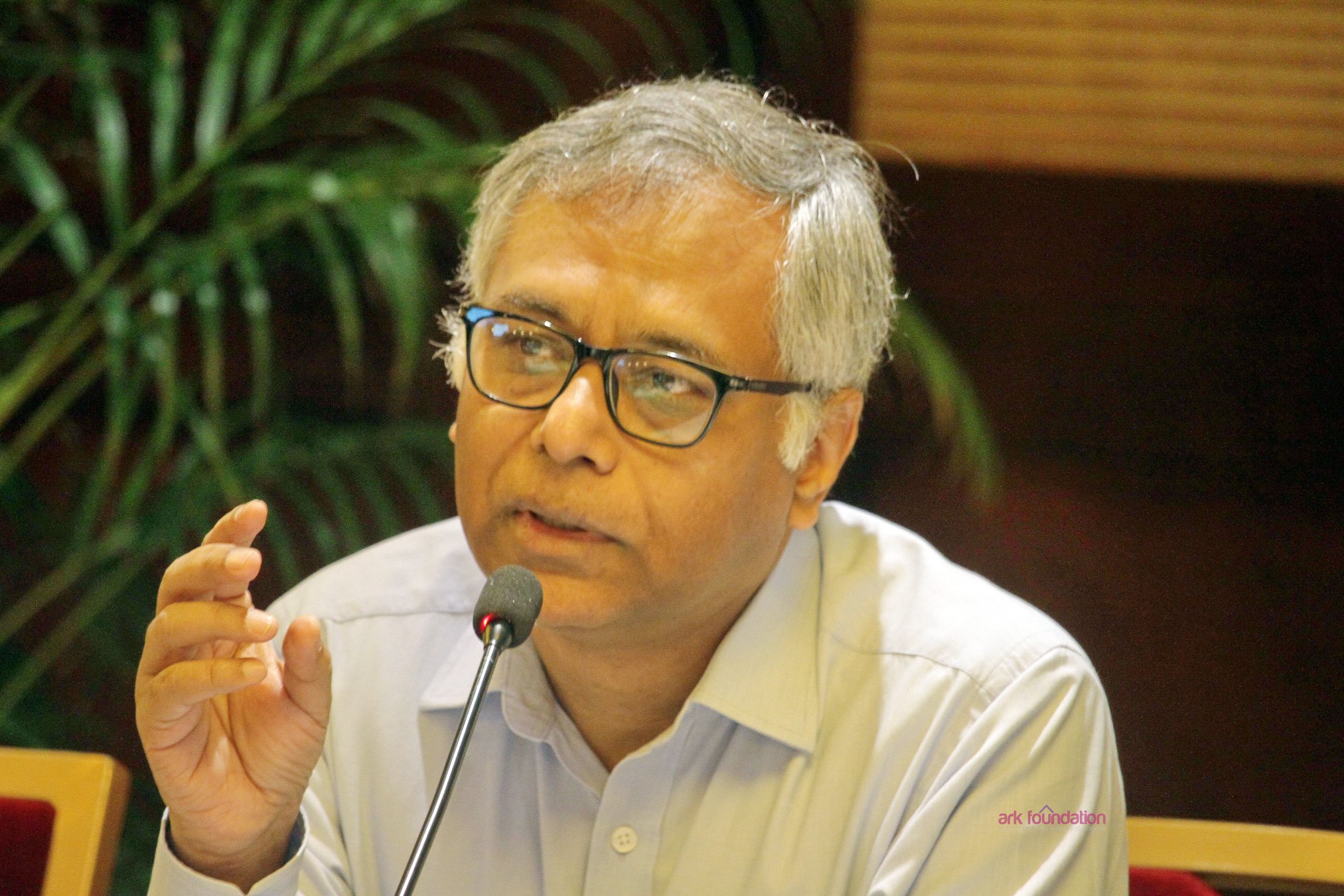 BD
BDProfessor & Head, Department of Epidemiology and Research, National Heart Foundation Hospital & Research Institute, Dhaka
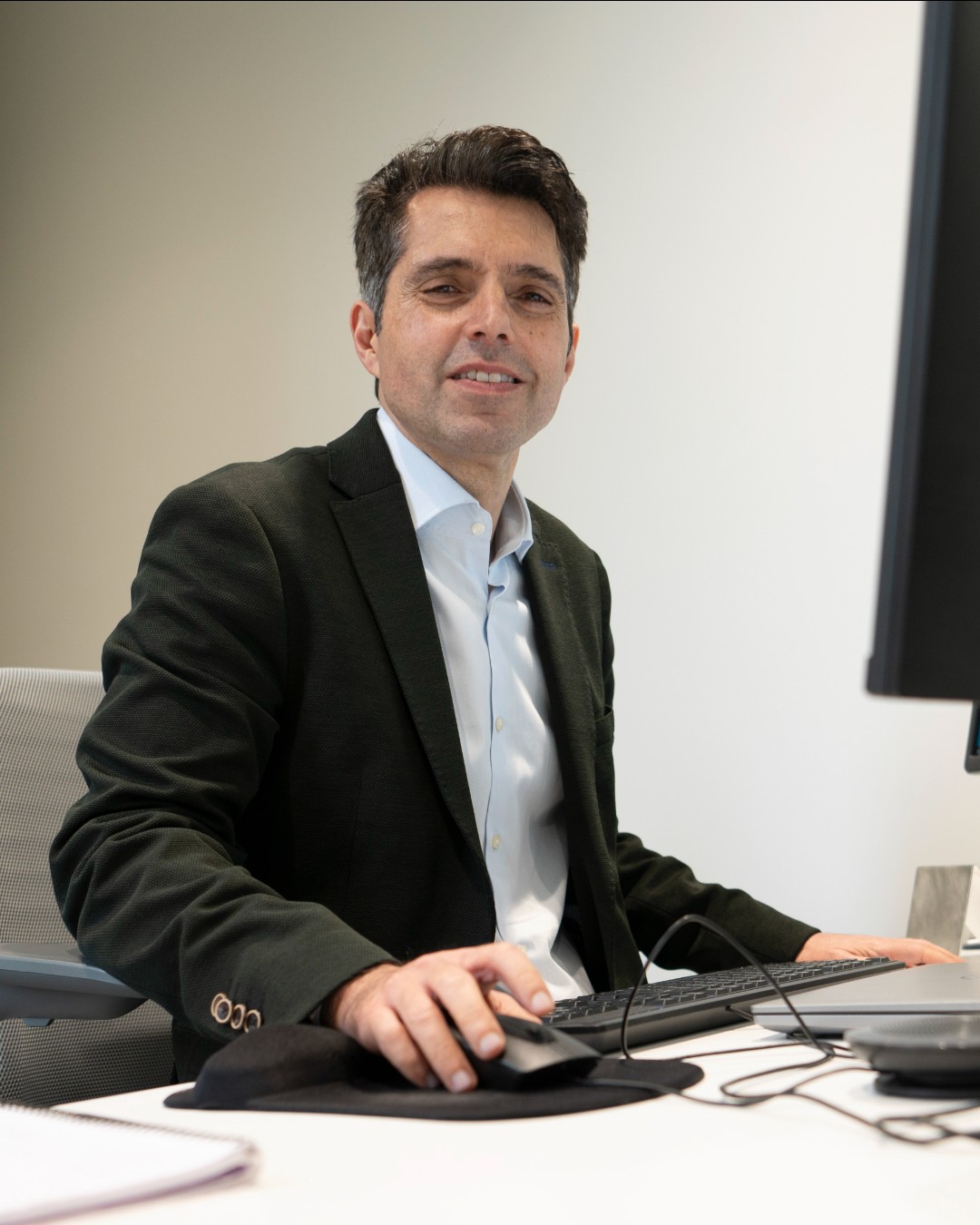 UK
UKUniversity of Cambridge, United Kingdom
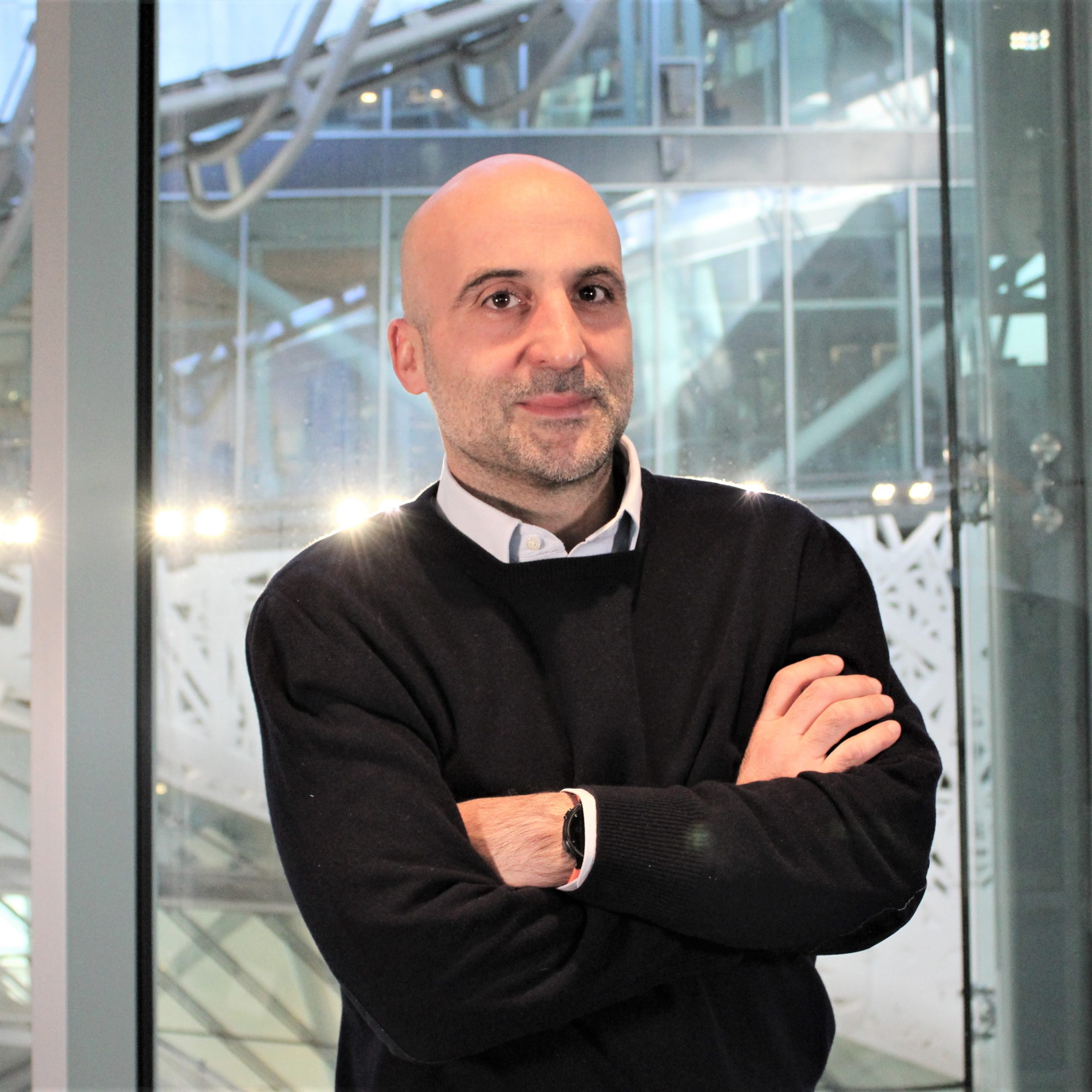 UK
UKUniversity of Cambridge, United Kingdom
BELIEVE-Urban is powered by a partnership between Bangladesh's leading cardiovascular research institute, the University of Cambridge, and a network of funders, ethics bodies, and scientific collaborators.




BELIEVE operates under continuous ethical review and is funded through competitive international research grants — every study round is independently approved.
For the latest news, publications and community updates from the BELIEVE-Urban Study, visit the official study website.